Optimal Seasons for Window Restorations
Window restorations are most effectively performed during specific seasons to ensure optimal results and minimal disruption. Timing can influence the durability and quality of the restoration process, making it essential to choose the right period for scheduling work.
Spring offers moderate temperatures and longer daylight hours, ideal for window restoration projects. This season allows for thorough drying and curing of materials, reducing the risk of weather-related delays.
Summer provides warm, dry conditions that facilitate effective restoration. However, high temperatures and humidity can sometimes impact certain materials, requiring careful planning.
Autumn's cooler temperatures and lower humidity levels create favorable conditions for window restoration. It is often considered an optimal time before winter sets in.
Winter presents challenges such as freezing temperatures and snow, which can hinder restoration work and affect material performance. It is generally less suitable unless climate-controlled environments are used.
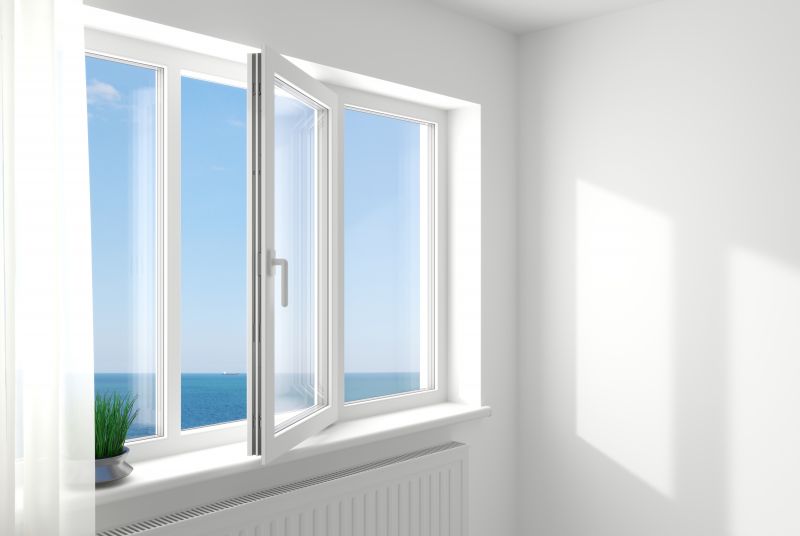
Spring is a popular time for window restorations due to favorable weather conditions.

Summer offers warm weather, but planning is necessary to avoid heat-related issues.

Autumn combines cooler temperatures with less humidity, ideal for restoration work.
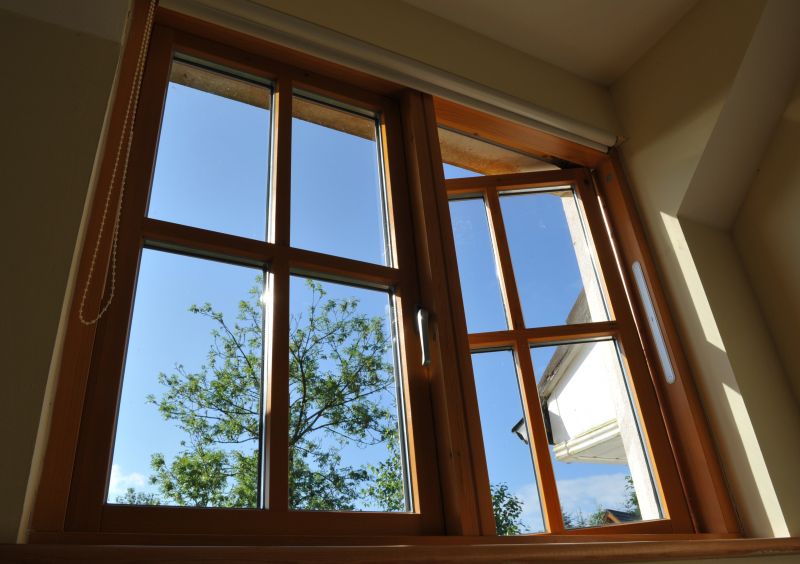
Ways to make Window Restorations work in tight or awkward layouts.
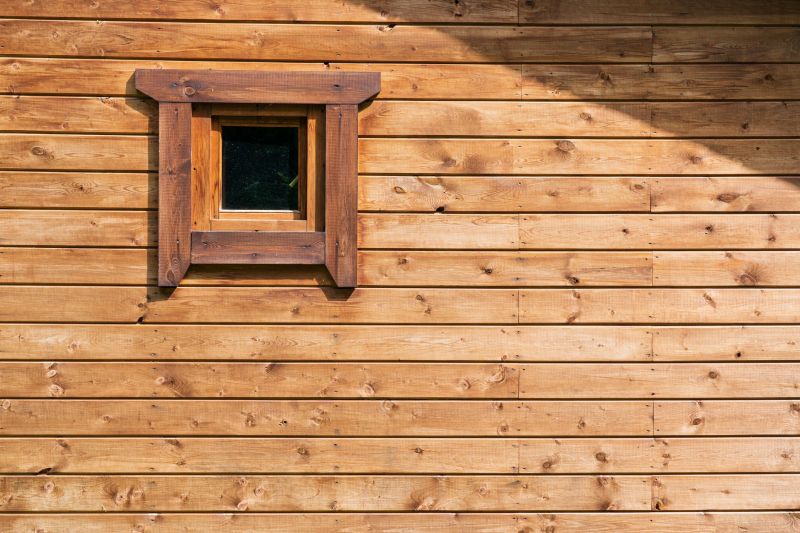
Popular materials for Window Restorations and why they hold up over time.

Simple add-ons that improve Window Restorations without blowing the budget.
Window restorations involve repairing and refurbishing existing window frames, sashes, and glass to extend their lifespan and improve energy efficiency. Proper restoration can preserve architectural integrity and enhance aesthetic appeal. Studies indicate that timely restoration can double the lifespan of windows, delaying the need for complete replacement and reducing costs over time.
Restoration projects typically include cleaning, repairing damaged wood or metal components, resealing, and re-glazing. The process requires careful planning to ensure weather conditions do not compromise materials or workmanship. Choosing the right season can significantly impact the durability and appearance of the restored windows.

Restoring damaged frames helps maintain structural integrity and appearance.

Proper resealing prevents leaks and improves insulation.

Specialized techniques preserve historic features while improving performance.

Restoration can enhance insulation, reducing energy costs.
| Season | Ideal Conditions |
|---|---|
| Spring | Moderate temperatures, longer daylight, low humidity |
| Summer | Warm and dry, requires planning for heat |
| Autumn | Cooler temperatures, less humidity, pre-winter |
| Winter | Freezing temperatures, snow, generally less suitable |
Choosing the appropriate time for window restoration can extend the lifespan of the work and ensure high-quality results. Consulting with professionals to assess weather patterns and project scope can lead to better planning and execution.
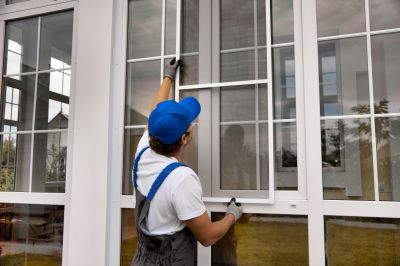
Restoration work underway in optimal weather conditions.
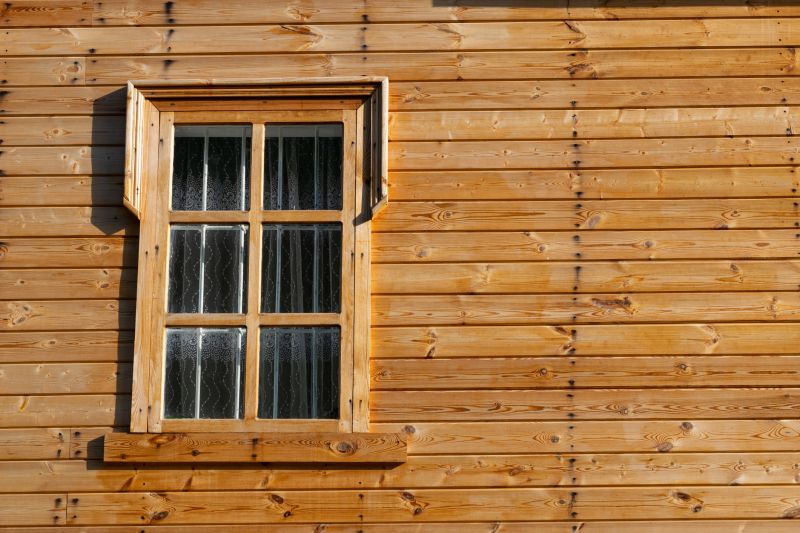
Completed restoration showcasing restored frames and glass.

Specialized tools used in restoration projects.

High-end options that actually feel worth it for Window Restorations.

Finishes and colors that play nicely with Window Restorations.

Little measurements that prevent headaches on Window Restorations day.
Interested in restoring windows? Filling out the contact form can provide additional guidance on scheduling and project planning. Proper timing ensures the best results and longevity for window restoration efforts.